digitalvibex.com

Author name: s.raunak0001@gmail.com

Uncategorized

How Small Businesses Can Compete With Big Brands Online

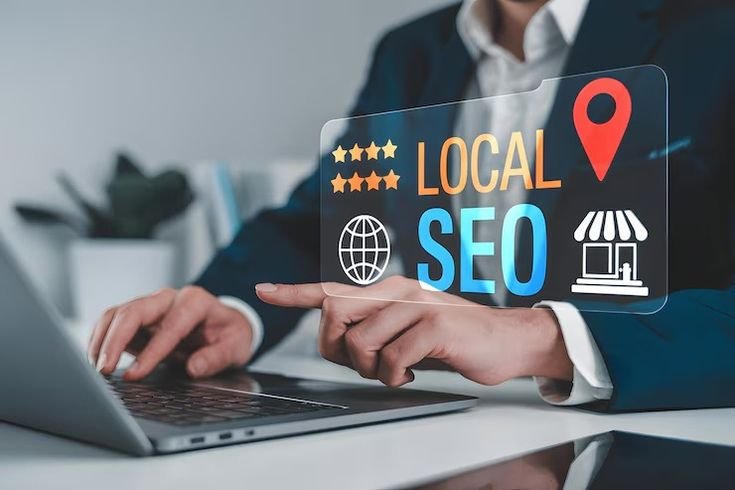
How Small Businesses Can Compete With Big Brands Online Using SEO. In today’s competitive digital world, small businesses have more opportunities than ever to compete with large brands. While big companies may have bigger budgets and larger teams, small businesses can use smart digital strategies to reach the right audience. SEO is one of the most effective ways to improve online visibility, attract potential customers, and build long-term growth. Build a Strong Website   A professional website is the foundation of your online presence. Your website should be mobile-friendly, fast, easy to navigate, and clearly explain your products or services. Good SEO starts with creating a website that provides a positive experience for visitors. Use clear headings, relevant keywords, descriptive page titles, and useful information throughout your website. These basic SEO practices can help search engines understand your content and connect it with relevant searches. Focus on Local Customers   Small businesses can gain an advantage by targeting customers in their local area. Instead of competing for extremely broad keywords, focus on searches related to your city, location, products, or services.ocal SEO can help your business appear when people search for nearby services. Keep your Google Business Profile updated, add  contact details,  and the and the upload upload quality photos, and encourage genuine customer reviews.  These actions can strengthen your local SEO presence. Create Valuable Content   Big brands may publish a large amount of content, but small businesses can compete by creating more useful and specific information. Write blog posts that answer common customer questions and solve real problems. Content marketing and SEO work together when your articles provide genuine value. Research the topics your audience searches for and create easy-to-understand guides, FAQs, tutorials, and helpful resources. Consistent SEO content can gradually increase your website’s visibility. Use Social Media Social media gives small businesses an affordable way to connect with their audience. Choose platforms where your target customers spend time and share content regularly. 3. Use SEO to Get Found on Google SEO can be especially valuable for small businesses because it allows you to target specific searches instead of paying for every visitor. For example, a local business could target searches such as: SEO  “best digital marketing agency in Delhi” or “digital marketing agency for small businesses” nderstand Search Intent   One important part of successful SEO is understanding what people actually want when they search online. Someone searching for “best digital marketing service” may be looking for recommendations, while someone searching for “digital marketing pricing” may be ready to SEO compare options. Create content that matches these different search intentions. This approach makes your SEO strategy more useful and customer-focused. Build Trust Online   Trust is essential when competing with established brands. Add genuine testimonials, customer reviews, case studies, business information, and clear contact details to your website. Strong credibility can support your SEO efforts because helpful and trustworthy websites are more valuable to users. Keep improving your content and online reputation instead of focusing only on rankings. Track and Improve Results   Successful SEO requires patience and continuous improvement. Monitor important metrics such as website traffic, keyword rankings, clicks, and conversions. Identify which pages perform well and improve the pages that need more attention. Regular analysis allows small businesses to make smarter marketing decisions. Over time, consistent SEO improvements a business gain more visibility without depending entirely on paid advertising. Conclusion Small businesses do not need the biggest budget to compete with big brands online. They need a focused strategy, valuable content, strong customer relationships, and consistent SEO efforts. By improving their website, targeting local customers, creating useful content, using social media, and building trust, small businesses can attract the right audience. The key to long-term SEO success is consistency. Start with the basics, understand your customers, measure your results, and keep improving your strategy. With the right approach, a small business can build a strong online presence and compete successfully with much larger brands.

Uncategorized

How to Turn Instagram Followers Into Paying Customers ?

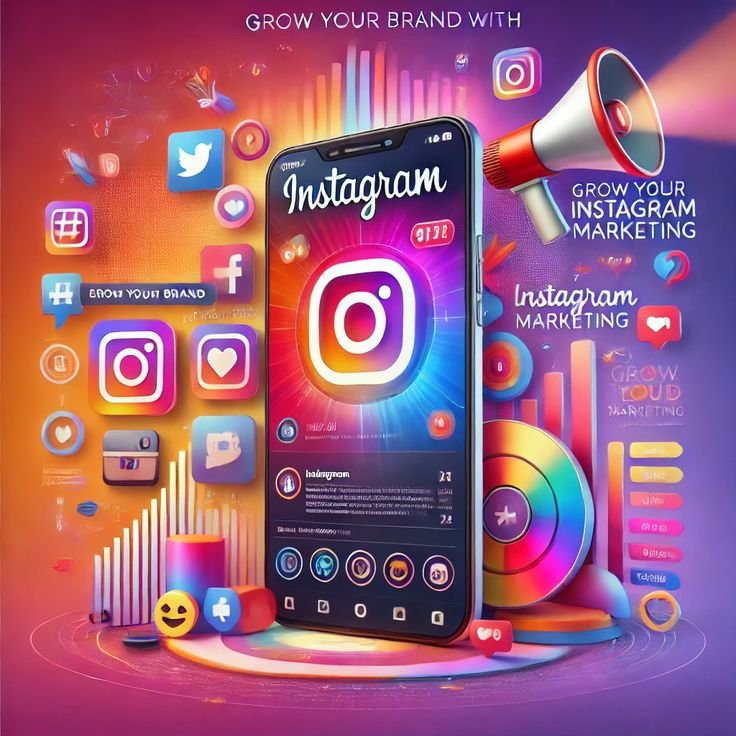
How to Turn Instagram Followers Into Paying Customers ? Getting followers is easy. Turning those followers into customers is where real marketing begins. You can have 1,000 followers, 10,000 followers, or even 100,000 followers—but if nobody is enquiring, booking, or buying from your business, your Instagram isn’t doing its full job. The good news? You don’t need millions of followers to generate sales. You need the right audience, the right content, and a clear path from follower to customer. In this guide, we’ll break down how businesses can turn Instagram attention into genuine leads and paying customers. Why Followers Don’t Automatically Become Customers? One of the biggest mistakes businesses make is assuming: More followers = More sales. That’s not always true. Someone may follow your account because they enjoyed a Reel, found your content useful, or simply liked a post. But following you doesn’t mean they’re ready to buy. Your job is to move them through a simple journey: Follower → Interested Visitor → Engaged Audience → Lead → Customer This requires more than posting promotional content. 1. Attract the Right Followers Before thinking about conversion, look at your audience. Ask yourself: Are the people following us actually potential customers? For example, a digital marketing agency shouldn’t focus only on getting random viral views. It should attract: Business owners Startup founders Entrepreneurs Local businesses E-commerce brands Service providers A smaller audience made up of potential customers can be more valuable than a huge audience with no buying intent.   2. Optimize Your Instagram Profile Your Instagram profile is often the first place a potential customer checks after seeing your content. You have only a few seconds to communicate: Who are you? What do you offer? Why should someone trust you? What should they do next?  A strong business profile should include: Clear profile photo or logo Simple, memorable bio Your main service or value proposition Location, if relevant Social proof where possible Clear Call-to-Action Link to your website or landing page   Example: Instead of: Digital Marketing AgencyHelping businesses grow 🚀 Try something more specific: Digital Marketing for Growing BusinessesSEO | Social Media | Paid AdsTurn online visibility into real leads.↓ Let’s grow your brand The second version gives visitors a clearer reason to continue.     3. Create Content That Solves Problems If every post says: “Buy our service.” people will stop paying attention. Instead, create content around the problems your customers are trying to solve. For example, a digital marketing agency could create: Educational Content How to get more Instagram leads SEO mistakes businesses should avoid How Meta Ads work How to improve a Google Business Profile Problem-Based Content Why your Instagram gets views but no enquiries Why your website isn’t generating leads Why your ads are getting clicks but no sales Trust-Building Content Case studies Client results Behind-the-scenes content Marketing experiments Industry insights Conversion Content Your services Consultation offers Client testimonials Packages Limited campaigns   A good content strategy combines all of          these. 4. Use Reels to Get Attention Reels can help you reach people who don’t follow your account. But the goal shouldn’t simply be: “Get viral.” The goal should be: “Get discovered by the right people.” A strong Reel can follow this structure: Hook → Problem → Solution → CTA For example: Hook:“Your business has 5,000 Instagram followers but zero customers?” Problem:“You may be focusing on engagement instead of conversion.” Solution:“Give people a reason to visit your profile, build trust with useful content, and provide a clear next step.” CTA:“Follow DigitalVibex for practical marketing strategies.” This attracts attention while positioning your business as an expert. 5. Give People a Clear Call-to-Action Don’t make your followers guess what to do next. Every conversion-focused post should have a clear CTA. Examples: For engagement:“Comment your biggest marketing challenge.” For website traffic:“Read the full guide through the link in our bio.” For leads:“DM us ‘GROW’ to discuss your business.” For consultations:“Book a strategy call with our team.” For sales:“Get started today.” The CTA should match the goal of the content.   6. Turn DMs Into Conversations A DM shouldn’t immediately become a sales pitch. If someone messages: “How much do you charge for social media marketing?” don’t simply reply with a price. Start a conversation. Ask: “Sure! What type of business do you run, and what are you currently trying to achieve through Instagram?” Now you can understand: Their business Their goals Their problems Their budget Their current strategy Then you can recommend the appropriate solution. Remember: A good sales conversation starts with understanding, not pitching. 7. Use Social Proof When people see that others have trusted your business, uncertainty decreases. Social proof can include: Customer reviews Testimonials Before-and-after examples Case studies Screenshots of feedback Portfolio projects Client logos, where permitted If you are a new business and don’t have many testimonials yet, focus on demonstrating your expertise through valuable content and genuine examples. Never manufacture reviews or results. A Simple Instagram-to-Customer Strategy Here’s a simple framework any business can start using: Step 1 — Attract Create Reels and content that reach your target audience. Step 2 — Educate Solve problems and answer questions. Step 3 — Build Trust Use expertise, testimonials, results, and authentic content 5 Instagram Mistakes That Can Cost You Customers 1. Chasing Followers Instead of Customers A large audience isn’t useful if it doesn’t contain your target customers. 2. Having a Confusing Bio Visitors should immediately understand what your business does. 3. Posting Without a CTA If people don’t know what to do next, many simply leave. 4. Selling Too Aggressively Build trust before pushing for the sale. 5. Ignoring DMs A potential customer who sends a message is already showing interest. Treat that conversation seriously. Final Toughts Instagram can be much more than a platform for likes and followers. When used strategically, it can become a powerful system for: Attracting attention → Building trust → Starting conversations → Generating leads → Growing your business. You don’t need to become […]

Uncategorized

Why Your Business Needs a Strong Social Media Presence in 2026.

Why Your Business Needs a Strong Social Media Presence ? Your customers are already online. The real question is: can they find your business there? In 2026, social media is no longer just a place to post photos, reels, or promotional offers. It has become an important part of how people discover brands, research products, build trust, and make buying decisions. Whether you run a local business, startup, personal brand, e-commerce store, restaurant, hotel, or professional service, having a strong social media presence can help you stay visible in an increasingly competitive digital market.   What Is a Strong Social Media Presence? A strong social media presence means more than having thousands of followers. It means your business: Looks professional online Publishes valuable and relevant content Maintains consistent branding Engages with its audience Builds credibility and trust Reaches the right people Converts attention into enquiries and customers Followers are a number. A strong presence is a business asset.   1.Your Customers Are Searching for You Online   Before contacting a business, many potential customers look it up online. They may check: Instagram Facebook Google Reviews Website Customer comments Reels and video If they find an inactive profile with outdated posts—or nothing at all—it can create doubt.    On the other hand, an active and professional social media presence can immediately show potential customers that your business is legitimate and active. Think of social media as your digital storefront. Your physical store needs to look attractive. 2. Social Media Builds Brand Awareness Social media gives businesses the opportunity to repeatedly appear in front of their target audience through: Reels Stories Carousels Educational posts Short-form videos Collaborations Paid advertising Over time, consistent exposure can help people recognize your brand. The goal isn’t necessarily to go viral. The goal is to become memorable to the right audience.   3. It Helps You Build Trust   People want to know who they are buying from. Social media gives businesses a way to show their: Expertise Products Services Team Customer experiences Work process Results Brand personality For example, instead of simply saying: “We provide digital marketing services.” You can demonstrate your expertise through useful content about SEO, social media, advertising, branding, and lead generation. This changes the relationship from: Business → Customer to: Expert → Trusted Brand → Customer 4. Short-Form Video Gives Businesses More Opportunities Reels and short-form videos have changed the way businesses communicate online. A business can use short videos to: Explain a product Answer customer questions Share tips Show behind-the-scenes content Present customer results Introduce team members Demonstrate expertise Promote an offer   And the content doesn’t always need to be highly produced. A clear idea + useful information + strong hook can often be more valuable than an expensive video with no strategy. A simple Reel structure: Hook → Value → Proof → Call to Action For example: Hook:“Your Instagram gets views but no customers? Here’s why.” Value:Explain three common mistakes. Proof:Show an example, result, or demonstration. CTA:“Follow DigitalVibex for practical digital marketing tips.” 5. Social Media Can Generate Leads Social media isn’t only about likes and comments. With the right strategy, it can become a lead generation channel. Businesses can generate enquiries through: Instagram DMs WhatsApp Lead forms Website landing pages Contact buttons Promotional campaigns Educational content A simple customer journey could look like this: Reel → Profile Visit → Content → Trust → DM → Enquiry → Customer The important part is understanding that every piece of content should have a purpose. Some content builds awareness. Some builds trust. Some generates leads. Some converts existing interest into sales. 6. Social Media Helps You Understand Your Audience One of the biggest advantages of social media is direct feedback. You can learn: What your audience likes What questions they ask What problems they have Which content performs best Which products attract attention What objections customers have Comments, DMs, polls, shares, saves, and other interactions can provide valuable insights. This information can then be used to improve your marketing strategy. 7. Your Competitors Are Already Building Their Presence Your potential customers are comparing businesses. If a competitor consistently publishes useful content while your business remains inactive, the competitor has more opportunities to stay in front of the audience. You don’t need to copy competitors. Instead, look for gaps. Ask: What questions are customers asking that nobody is answering? What type of content is missing in my industry? What can my brand explain better? That is where your competitive advantage can begin.   How to Build a Strong Social Media Strategy in 2026 Having a strategy doesn’t mean posting randomly every day. Start with these five steps. Step 1: Define Your Target Audience   Know exactly who you’re trying to reach. Consider: Age Location Industry Interests Problems Buying behaviour Budget Goals The clearer your audience, the easier it becomes to create relevant content.   Step 2: Choose the Right Platforms You don’t need to be everywhere. Choose platforms based on where your target audience spends time. For example: Instagram: Visual brands, creators, local businesses, lifestyle, e-commerce LinkedIn: B2B companies, professionals, agencies, founders Facebook: Communities, local businesses, broader audiences YouTube: Educational content, reviews, tutorials, long-form video Focus on platforms where you can consistently create quality content. Step 3: Create Content Pillars Instead of deciding what to post every morning, create content categories. For example, a digital marketing agency could use: Educational SEO tips, advertising tips, marketing strategies Authority Case studies, insights, industry analysis Engagement Questions, polls, opinions, discussions Brand Behind-the-scenes, team, values Conversion Services, offers, consultations, success stories This makes content planning much easier. Step 4: Be Consistent Consistency builds recognition. You don’t necessarily need to post three times every day. A realistic schedule that you can maintain is better than posting heavily for two weeks and disappearing for two months. Consistency beats temporary motivation. Step 5: Give Every Post a Purpose Before publishing anything, ask: “What should this post achieve?” Possible objectives include: Reach Engagement Education Trust Website traffic Leads Sales Social […]

Scroll to Top