digitalvibex.com

How Small Businesses Can Compete With Big Brands Online

Big brands may have bigger budgets. But small businesses have something equally powerful: speed, focus, and the ability to build genuine customer relationships.

In today’s digital world, a small business doesn’t need a massive marketing budget to compete online.

It needs a smart strategy.

From social media and SEO to content marketing, Google Ads, and local search, digital platforms have created opportunities for small businesses to reach customers without competing purely on advertising spend.

So how can a small business stand out when competing against companies with bigger teams and bigger budgets?


Why Small Businesses Can Compete Online

raditional advertising often rewards businesses that can spend more.

Digital marketing is different.

A small business can build visibility by:

  • Understanding a specific audience

  • Creating highly relevant content

  • Targeting specific keywords

  • Building a recognizable brand

  • Providing a better customer experience

  • Using targeted advertising

  • Building strong local visibility

You don’t necessarily need to reach everyone.

1. Find Your Niche

One of the biggest advantages small businesses have is the ability to specialize.

Instead of trying to compete with a major brand across an entire market, focus on a specific customer segment.

For example, instead of:

“We provide marketing services.”

A business could position itself as:

“Digital marketing for local restaurants and cafés.”

A more specific positioning can make your message easier for the right audience to understand.

Don’t try to be everything for everyone.

Become highly relevant to a specific audience.

2. Build a Strong Brand

Customers don’t only remember products.

They remember brands.

Your website, logo, colors, social media, content, tone of voice, and customer experience should feel consistent.

A strong brand can help a small business look professional and recognizable even when competing with much larger companies.

Focus on:

  • Consistent visual identity

  • Clear messaging

  • Professional website

  • Recognizable social media presence

  • Consistent brand voice

  • Strong value proposition

Your size doesn’t have to define how professional your business looks online.

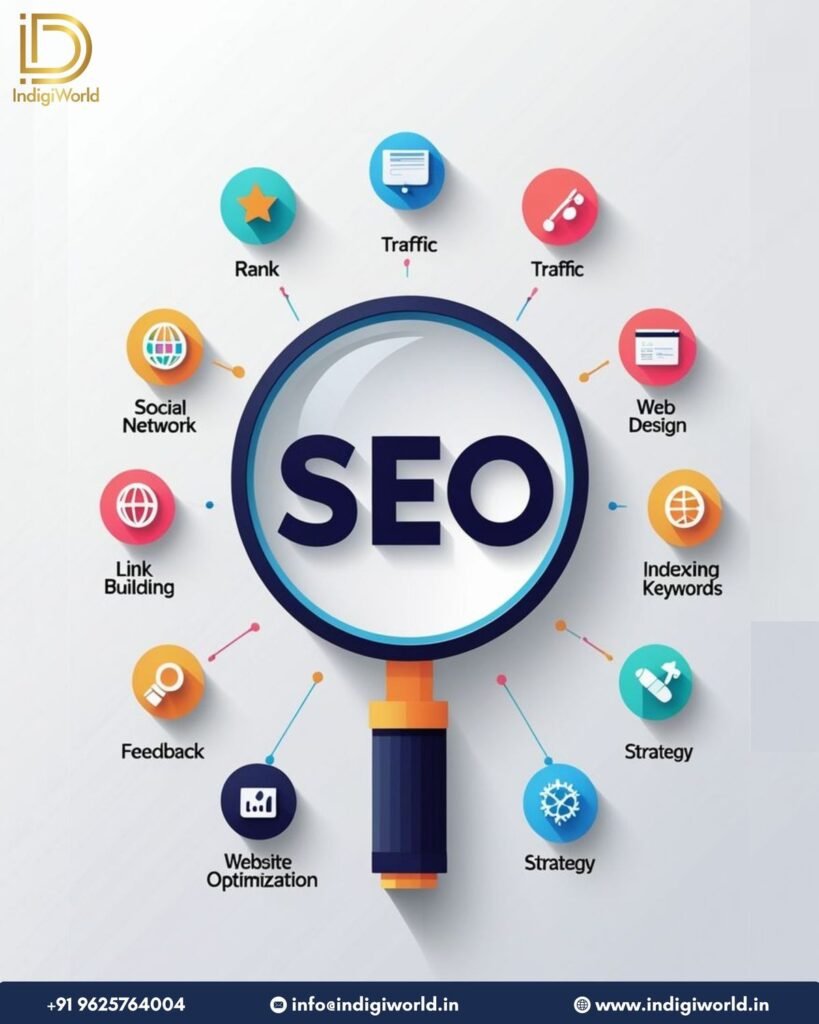
3. Use SEO to Get Found on Google

SEO can be especially valuable for small businesses because it allows you to target specific searches instead of paying for every visitor.

For example, a local business could target searches such as:

“best digital marketing agency in Delhi”

or

“digital marketing agency for small businesses”

Rather than trying to rank for extremely broad keywords, focus on relevant keywords connected to your:

  • Industry

  • Location

  • Services

  • Products

  • Customer problems

Create useful pages and articles that genuinely answer what potential customers are searching for.

The goal isn’t simply more traffic.

It’s relevant traffic.

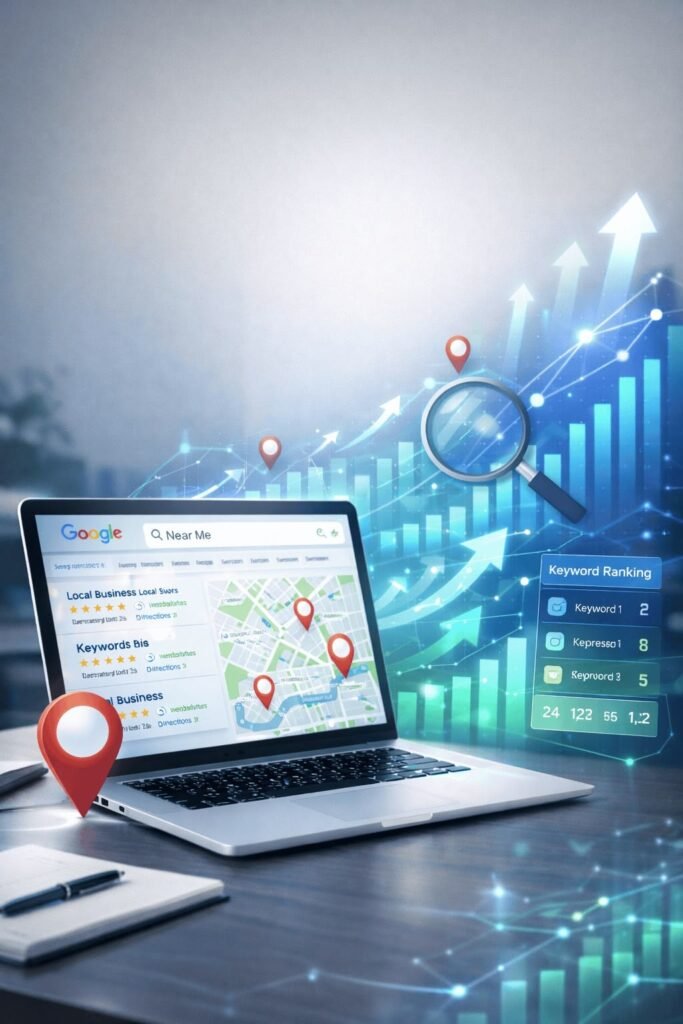
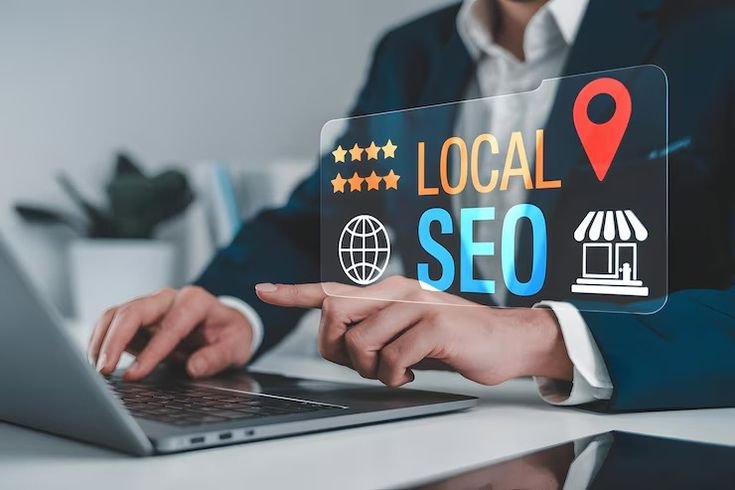
4. Dominate Local Search

f your business serves a specific city or area, local visibility can become a major advantage.

Optimize your local online presence with:

  • Accurate business information

  • Google Business Profile

  • Local keywords

  • Customer reviews

  • Location-specific content

  • Consistent contact information

For example, a café in Delhi doesn’t need to compete for attention from people searching for cafés across India.

It needs to become visible to people looking for a café in its service area.

Think local before thinking global.

5. Use Paid Advertising Strategically

A small business doesn’t have to outspend a large brand.

It can focus on targeting more precisely.

For example, instead of running an advertisement to an entire country, a local business might target:

  • Specific locations

  • Relevant interests

  • Customer demographics

  • Search intent

  • Website visitors

  • Previous interactions

Platforms such as Google Ads and Meta Ads can help businesses reach specific audiences when campaigns are properly planned and measured.

The objective isn’t the biggest ad budget.

It’s efficient use of the budget.

6. Turn Customers Into Your Marketing Team

Happy customers can become one of your strongest marketing assets.

Encourage genuine customers to share:

  • Reviews

  • Testimonials

  • Photos

  • Videos

  • Experiences

With permission, you can feature these on your website and social media.

Customer-generated content provides something advertisements can’t easily create:

real experiences from real customers.

Never create fake reviews or misleading testimonials.

Authenticity matters.

7. Track What Actually Generates Business

Don’t measure your digital marketing only by:

Followers.

Track metrics connected to business outcomes.

For example:

Website

  • Visitors

  • Traffic sources

  • Leads

  • Conversion rat

Social Media

  • Reach

  • Saves

  • Shares

  • Profile visits

  • DMs

Advertising

  • Click-through rate

  • Cost per lead

  • Conversion rate

  • Return on ad spend

Business

  • Qualified leads

  • Sales

  • Customer acquisition cost

  • Revenue

The numbers help you understand where your marketing is actually working.


A Simple Digital Growth Strategy for Small Businesses

STEP 1 — Define Your Audience

Who exactly are you trying to reach?

STEP 2 — Build Your Brand

Create consistent messaging and visuals.

STEP 3 — Build Your Online Presence

Website + Google Business Profile + relevant social platforms.

STEP 4 — Create Valuable Content

Answer customer questions and solve real problems.

STEP 5 — Improve Your SEO

Target relevant keywords and local searches.

STEP 6 — Use Paid Ads

Promote your strongest offers to relevant audiences.

STEP 7 — Build Trust

Collect genuine reviews, testimonials, and case studies.

STEP 8 — Measure Results

Track leads, conversions, and revenue—not just impressions.


7 Common Mistakes Small Businesses Make Online

. Trying to Be Everywhere

You don’t need every social platform.

Focus on the channels where your customers actually spend time.

2. Copying Big Brands

Your business doesn’t need to imitate another company’s personality.

Build your own identity.

3. Focusing Only on Followers

Followers don’t automatically equal customers.

4. Ignoring SEO

People are already searching for solutions. Make sure your business can be discovered.

5. Posting Without a Strategy

Random content rarely creates a consistent customer journey.

6. Running Ads Without Tracking

Spending money without measuring conversions makes optimization difficult.

7. Giving Up Too Early

Digital visibility usually develops through consistent testing and improvement.

Final Toughts

ig brands may have bigger budgets, larger teams, and broader reach.

But small businesses can compete online by being focused, relevant, personal, and strategic.

You don’t need to reach millions of people.

You need to reach the right people with the right message at the right time.

Build a strong brand.

Create useful content.

Invest in SEO.

Use social media strategically.

Test paid advertising.

Build genuine customer relationships.

And most importantly—

Stop trying to look bigger.

Start becoming more relevant.


Ready to Grow Your Business Online?

At DigitalVibex, we help businesses build a stronger digital presence through:

SEO • Social Media Marketing • Paid Advertising • Content Marketing • Lead Generation • Website Strategy

Can a small business really compete with big brands online?

Yes. Digital channels allow small businesses to target specific audiences, locations, keywords, and customer needs rather than competing only through advertising budgets.

Use genuine customer reviews, testimonials, useful content, transparent communication, professional branding, case studies, and consistent customer service.

SEO can help small businesses attract people who are actively searching for relevant products, services, or information. Results depend on competition, search demand, website quality, content, and consistency.

There is no fixed timeframe. Results depend on the industry, competition, strategy, budget, execution, website, content, and consistency.

Scroll to Top